Temporary structures for manufacturing, loading, maintenance, and industrial workflow support.
Maxi Structures helps industrial teams create covered operational space for production support, loading docks, maintenance areas, staging zones, equipment protection, and temporary workflow expansion.
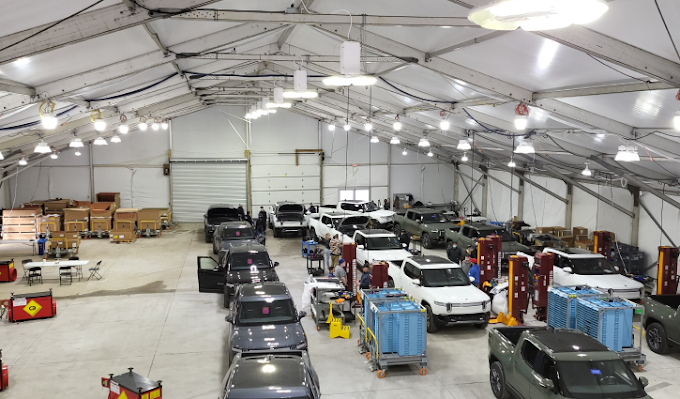
Built for active operations that cannot stop moving.
Manufacturing, production, and processing support space
Loading dock coverage, staging, and material transfer areas
Maintenance, repair, inspection, and equipment support zones
Temporary expansion for seasonal, urgent, or long-duration operations
Covered space when industrial workflows need room, protection, or continuity.
Industrial operations often need temporary space without slowing production or waiting on permanent construction. Maxi helps teams create covered areas for staging, loading, maintenance, manufacturing support, equipment protection, and workflow changes around real site conditions.
Manufacturing Support
Covered space for production support, assembly areas, temporary process coverage, and operational expansion.
Start scope → 02Loading Dock Coverage
Temporary covered space for loading, unloading, staging, truck access, pallet flow, and material transfer.
Start scope → 03Maintenance Areas
Covered zones for equipment service, inspection, repair, shutdown work, and maintenance support operations.
Start scope → 04Material Staging
Temporary protected space for parts, pallets, raw materials, packaging, equipment, and workflow staging.
Start scope →Structure planning around access, throughput, surface conditions, and operational flow.
Industrial structures need to work around active operations. Maxi reviews access routes, loading points, equipment movement, surface type, doors, power, lighting, HVAC, anchoring, drainage, safety clearances, and the way people and materials move through the site.
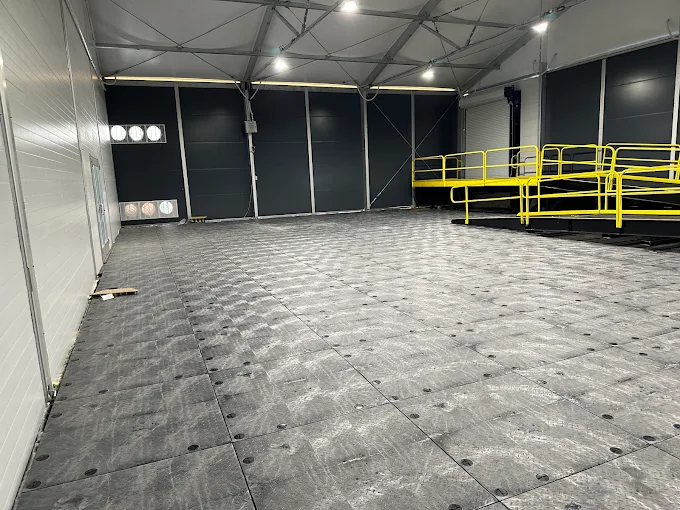
What we review before recommending an industrial structure.
A temporary industrial structure should be planned around the operation, not just the footprint. The right solution depends on what work happens inside, how materials move, where the structure sits, and what site conditions control the installation.
What operation needs coverage?
Manufacturing, maintenance, receiving, dispatch, staging, loading, storage, repair, or temporary expansion.
How does work move?
Forklifts, trucks, trailers, doors, dock access, loading zones, material flow, equipment routes, and clearances.
Where can it be installed?
Concrete, asphalt, gravel, yard space, facility perimeter, loading areas, dock approach, drainage, and slope.
What add-ons matter?
Doors, lighting, power, HVAC, heating, cooling, flooring, sidewalls, insulation, gutters, anchoring, and ballast.
From operational constraint to structure scope.
Tell us what process needs coverage, where the project is located, approximate size, timeline, and duration.
We review access, surface type, loading areas, anchoring, utilities, clearances, and install constraints.
Maxi helps define the structure category, configuration, add-ons, install approach, and next steps.
Need covered space for industrial operations?
Send your project location, what operation needs coverage, approximate size, timeline, surface type, and any available site photos, drawings, loading dock layouts, or facility plans.