Temporary structures for manufacturing, industrial operations, and facility support.
Maxi Structures helps manufacturing and industrial teams create temporary covered space for production support, overflow storage, equipment protection, loading operations, material staging, maintenance work, and facility expansion.
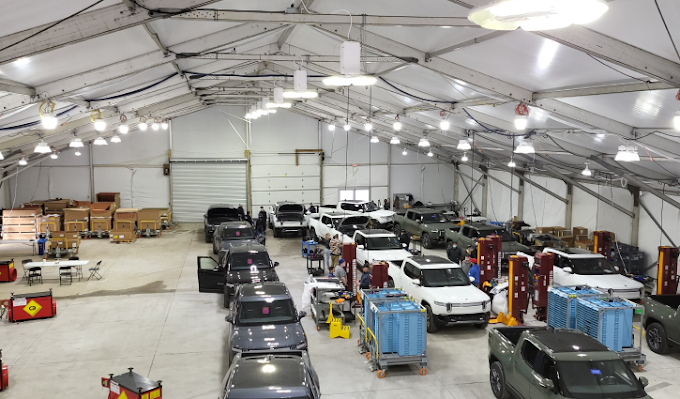
Built for operations that cannot stop moving.
Temporary covered space for production support and industrial workflows
Overflow storage for parts, pallets, inventory, materials, and equipment
Loading dock, staging, and weather-protected transfer areas
Flexible support for shutdowns, expansions, repairs, and seasonal demand
Covered space when facility capacity, weather, or workflow becomes a bottleneck.
Manufacturing and industrial sites often need extra space without waiting on permanent construction. Maxi helps teams build temporary structure scope around throughput, safety, material movement, equipment access, and the daily realities of an active facility.
Production Support
Temporary covered space for work cells, maintenance operations, assembly support, repairs, and process staging.
Explore industrial structures → 02Overflow Storage
Covered warehouse space for inventory, raw materials, finished goods, pallets, parts, and seasonal volume.
Explore warehouse structures → 03Equipment Protection
Protect machinery, tools, plant equipment, vehicles, generators, and weather-sensitive industrial assets.
Explore equipment protection → 04Loading & Staging
Covered transfer space for loading docks, inbound/outbound staging, material movement, and facility logistics.
Start scope →Structure planning around production flow, loading access, equipment clearance, and site constraints.
Industrial sites need temporary structures that work with existing operations. Maxi reviews facility access, truck routes, dock areas, forklift traffic, utility needs, surface type, door requirements, clearances, anchoring, lighting, HVAC, flooring, and how the temporary structure will support daily operations.
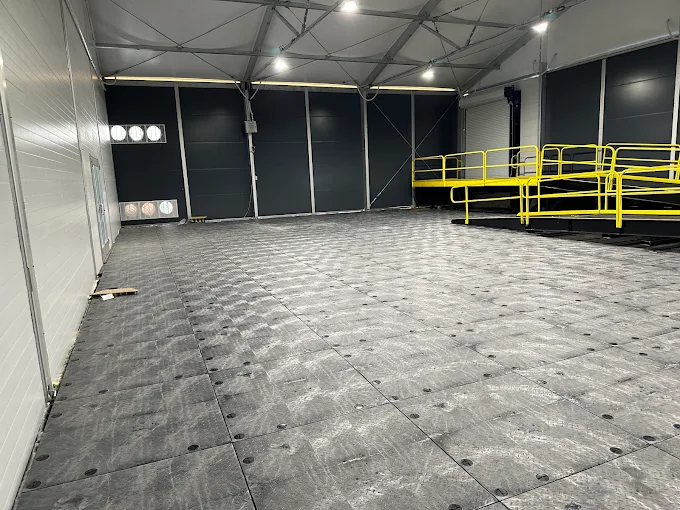
Structure solutions for manufacturing and industrial facilities.
From temporary warehouses to loading dock coverage, Maxi helps industrial teams match the structure type to the operational need, site conditions, and project timeline.
Temporary Warehouses
Overflow storage for raw materials, finished goods, parts, pallets, seasonal inventory, and facility expansion.
02Industrial Structures
Covered operational space for maintenance, production support, staging, assembly, repairs, and facility workflows.
03Equipment Protection
Temporary coverage for machinery, tools, vehicles, generators, shop equipment, and sensitive assets.
04Clearspan Structures
Open-span covered space where interior columns would interfere with storage, workflow, or equipment movement.
What we review before recommending an industrial structure.
Industrial structure planning needs to account for operations first. The right structure depends on what is being protected or supported, how materials move, where the structure can sit, and what site constraints affect daily use.
What needs support?
Production, storage, equipment, maintenance, loading, staging, shutdown work, repairs, or temporary operations.
How does material move?
Forklifts, trucks, pallets, dock doors, staging lanes, loading zones, aisle width, and traffic flow.
Where can it sit?
Yards, paved areas, concrete slabs, gravel lots, loading areas, dock zones, expansion areas, and facility setbacks.
What add-ons matter?
Doors, lighting, HVAC, heating, cooling, flooring, insulation, sidewalls, power, anchoring, ballast, and drainage.
From facility need to structure scope.
Tell us what the structure needs to support, where it will go, approximate size, duration, and timeline.
We review access, loading, surface type, utilities, movement, doors, clearance, anchoring, and constraints.
Maxi helps define the structure category, configuration, key add-ons, install approach, and next steps.
Need temporary covered space for a manufacturing or industrial site?
Send your facility location, what needs coverage, approximate size, timeline, surface type, access requirements, and any available site photos, drawings, or layout plans.