Compare Maxi structure systems before you request a quote.
Use this guide to understand the difference between Maxi Core, Maxi Forge, and Maxi Apex. The right structure depends on your timeline, site conditions, use case, access needs, and how long the structure needs to stay in place.
Pick the system around the problem, not just the size.
Short-term storage or fast coverage usually starts with Maxi Core.
Jobsite, warehouse, and industrial coverage often fit Maxi Forge.
Long-term or semi-permanent needs may require Maxi Apex.
Answer three questions to get a starting recommendation.
This is not engineering, pricing, or final design. It is a planning tool to help you start the conversation with the right structure direction.
Maxi Forge
For many warehouse, jobsite, and industrial projects, Maxi Forge is the strongest starting point because it balances speed, usable coverage, and operational durability.
Three structure paths for different project demands.
Each system can support different sizes, layouts, access points, and site requirements. Start with the use case, then confirm the final system with Maxi.
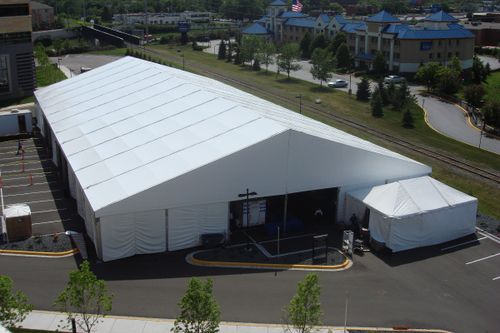
Fast clearspan coverage.
Best for temporary warehouse overflow, storage, equipment protection, and simple covered space needs.
Best for: speed, storage, and flexible coverage →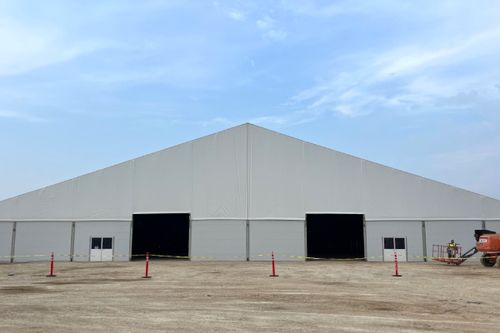
Operational workhorse.
Built for jobsites, industrial coverage, loading support, warehouse expansion, and heavier-use operations.
Best for: industrial, construction, and logistics →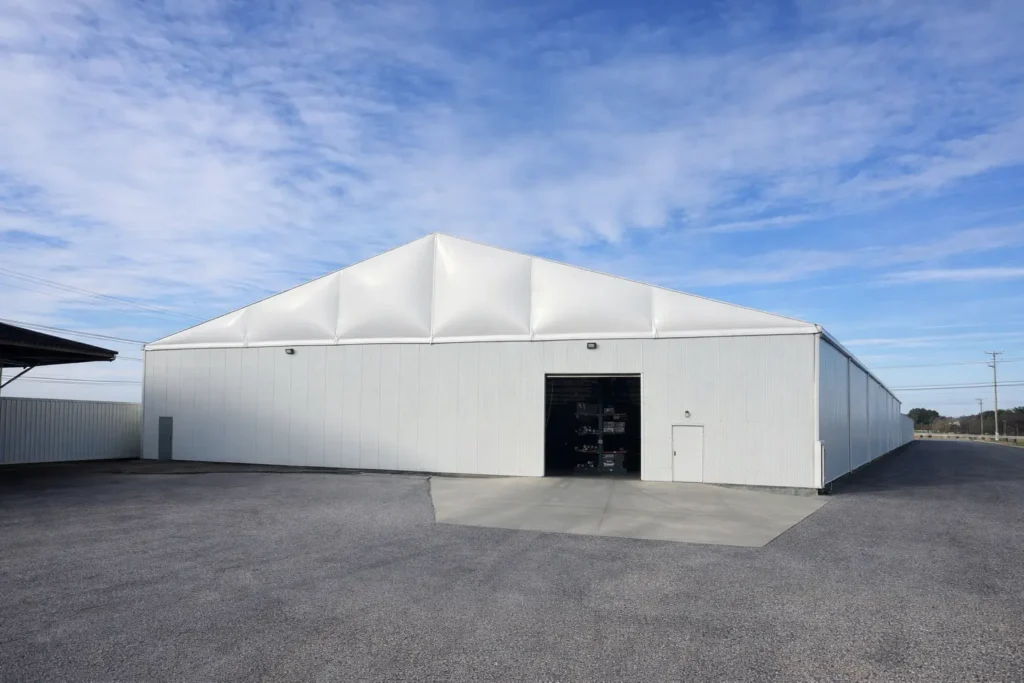
Longer-term structure solution.
Best for semi-permanent warehouse, facility expansion, and long-term operational space requirements.
Best for: long-term and semi-permanent needs →Compare the systems side by side.
Use this matrix to narrow the direction. The final recommendation should be based on project scope, site details, and operational requirements.
| Comparison Point | Maxi Core | Maxi Forge | Maxi Apex |
|---|---|---|---|
| Best Fit | Temporary coverage, storage, and general clearspan needs. | Industrial, construction, warehouse, and logistics operations. | Long-term, semi-permanent, and facility expansion projects. |
| Typical Duration | Short-term to mid-term. | Mid-term to long-term project support. | Long-term and multi-year needs. |
| Speed | Strong option when speed and flexibility matter. | Fast, but better for heavier operational requirements. | More planning required because the use case is longer-term. |
| Common Uses | Overflow storage, equipment coverage, temporary work areas. | Jobsite coverage, loading support, warehouse expansion, industrial operations. | Semi-permanent warehouse, production space, facility expansion. |
| Decision Trigger | You need useful covered space quickly. | You need a working structure that supports daily operations. | You need a structure that behaves closer to a temporary building. |
| Important Questions | What needs to be covered and how quickly? | What will move through the structure and how often? | How long will it stay and what permanent-like features are needed? |
Choose based on the job the structure needs to do.
The most common mistake is choosing by square footage alone. A 10,000 square foot temporary warehouse, a 10,000 square foot jobsite cover, and a 10,000 square foot semi-permanent facility may need different structure details.
Send Maxi your site, timeline, and use case.
We will help narrow the correct structure path based on access, surface, size, duration, and the operational problem you need to solve.