Temporary structure support for construction projects, jobsites, and phased work.
Maxi Structures helps general contractors, project managers, site teams, and facility owners create temporary covered space for active construction sites, material staging, break areas, equipment protection, and weather-sensitive work.
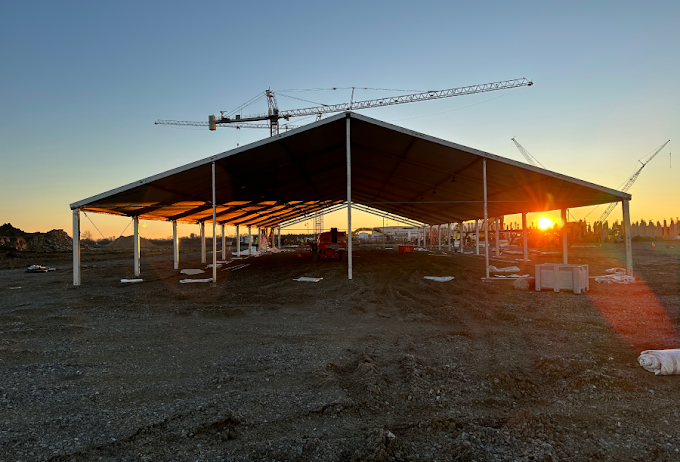
Covered space for the realities of active jobsites.
Covered work zones for weather-sensitive construction activity
Material staging, tool storage, and equipment protection areas
Temporary break rooms, crew support, and jobsite operations space
Phased project support for short-term or longer-duration site needs
When the jobsite needs covered space, the structure has to work with the site.
Construction projects move fast. Weather, sequencing, material flow, safety zones, trade access, staging needs, and project deadlines can all create temporary space problems. Maxi helps scope structures around the actual construction workflow instead of forcing a one-size-fits-all layout.
Covered Work Zones
Temporary covered areas for active work, weather-sensitive tasks, staging, and phased construction support.
Explore jobsite structures → 02Crew Break Areas
Temporary enclosed space for lunch areas, break rooms, team meetings, warming areas, and site support.
Start scope → 03Equipment Protection
Protect machinery, vehicles, generators, tools, and critical assets from rain, wind, dust, and site exposure.
Explore equipment protection → 04Material Staging
Covered space for pallets, job boxes, parts, tools, fixtures, materials, and temporary inventory near the work area.
Explore warehouse space →Scoped around access, schedule, surface conditions, and how the jobsite actually operates.
A construction structure is not just a covered rectangle. Maxi reviews where the structure can go, how crews and equipment need to move, what surface it will sit on, what the structure needs to protect, and what add-ons are required for the jobsite to function.
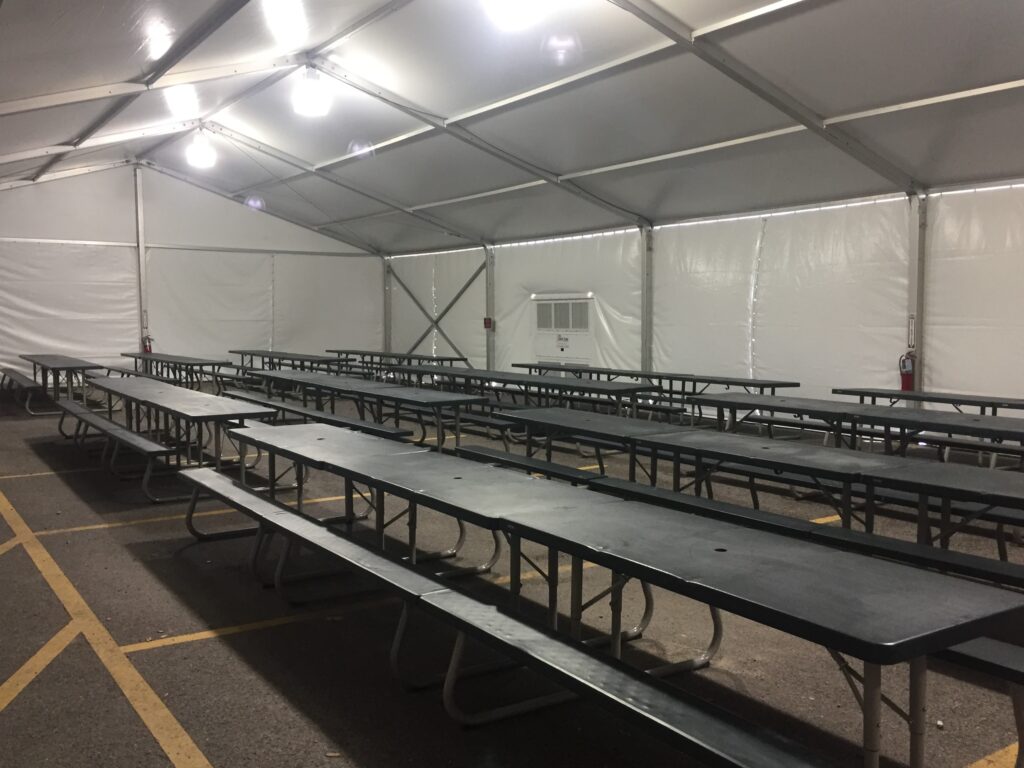
Structure options construction teams commonly need.
The right construction solution depends on the use case. A project may need a break area, protected work zone, warehouse-style staging structure, equipment protection space, or longer-duration semi-permanent coverage.
Construction Site Structures
Covered jobsite space for crews, materials, staging, active work areas, and construction support.
02Temporary Warehouses
Temporary warehouse and storage space for materials, pallets, inventory, and project overflow.
03Equipment Protection
Covered protection for machinery, vehicles, tools, generators, and high-value jobsite assets.
04Semi-Permanent Structures
Longer-duration temporary structures for phased construction, facility expansion, and site support.
What we review before recommending a construction structure.
Maxi starts with the construction problem, not just the tent size. The structure recommendation depends on what the jobsite needs to protect, how the site operates, and what conditions could affect install and daily use.
What phase is the project in?
Ground-up construction, remodel, tenant improvement, facility expansion, shutdown, emergency work, or phased operations.
What needs coverage?
Crew space, work zones, materials, equipment, staging, tools, inventory, temporary storage, or protected access.
What are the site limits?
Surface type, anchoring restrictions, access roads, utilities, slopes, nearby buildings, clearance, and work zones.
What add-ons are needed?
Doors, lighting, power, HVAC, heating, cooling, flooring, sidewalls, insulation, anchoring, and ballast.
From jobsite need to structure scope.
Send the project location, use case, approximate structure size, timeline, duration, and available site details.
We review access, surface type, anchoring, layout, utilities, nearby work areas, and installation constraints.
Maxi helps define the structure type, add-ons, install approach, logistics considerations, and next steps.
Need temporary covered space for a construction project?
Send your project location, what needs coverage, approximate size, timeline, surface type, and any site photos, logistics plans, drawings, or access notes.