Temporary structures for emergency relief, response staging, shelter support, and recovery operations.
Maxi Structures helps agencies, contractors, relief teams, and response operators create temporary covered space for sheltering, supplies, command support, field operations, equipment protection, and rapid-response logistics.
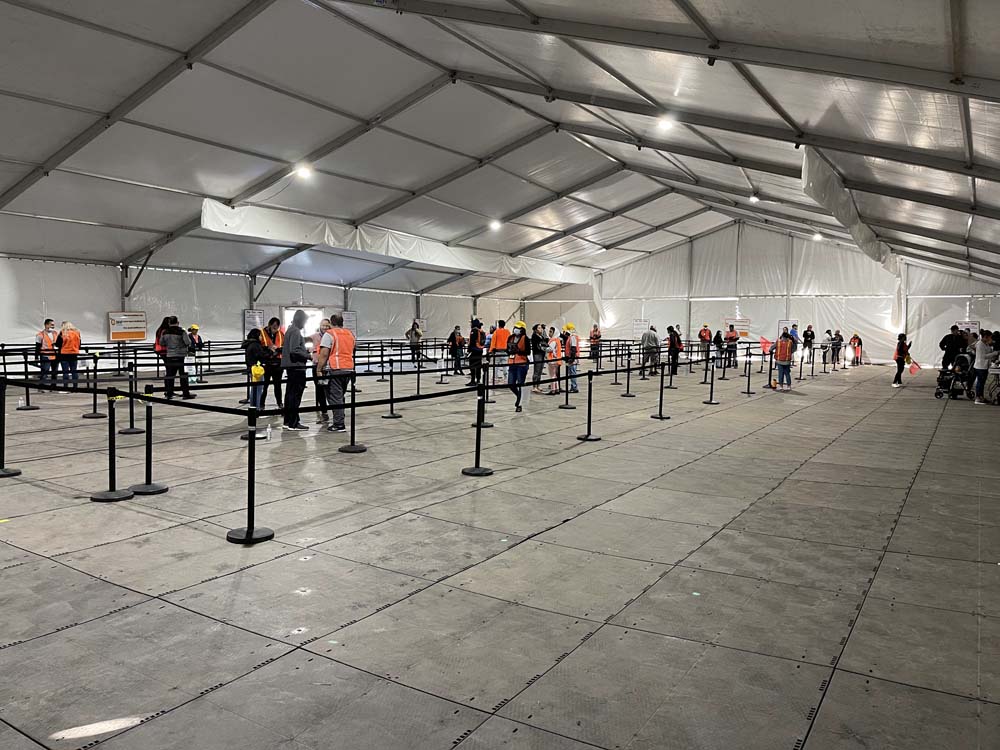
Covered infrastructure for urgent field needs and temporary relief operations.
Emergency shelter support, cot areas, and relief service space
Command, staging, supply distribution, and field operations coverage
Temporary warehouses for supplies, equipment, and recovery materials
Project support for local, regional, and nationwide emergency response needs
When operations need covered space fast, the structure plan has to support the response.
Emergency relief projects are not normal rentals. Conditions change quickly, timelines are compressed, and the structure has to work with site access, response logistics, people flow, supplies, utilities, weather exposure, and the mission of the operation.
Emergency Shelter Support
Temporary covered space for cot areas, warming areas, cooling support, relief service areas, and temporary shelter operations.
Explore emergency structures → 02Command & Operations
Covered areas for incident command, field coordination, responder support, intake, check-in, and operations planning.
Start scope → 03Supply Staging
Temporary warehouse and staging space for relief supplies, pallets, food, water, equipment, and recovery materials.
Explore warehouse use → 04Equipment Protection
Protect generators, response equipment, tools, vehicles, supplies, and mission-critical assets from weather exposure.
Explore equipment protection →Emergency relief structures need to be planned around people, supplies, access, utilities, and response timelines.
Maxi reviews how the structure will be used, how quickly it needs to be deployed, what the site conditions look like, how responders and supplies will move, what utilities are available, and which add-ons are needed to support the operation.
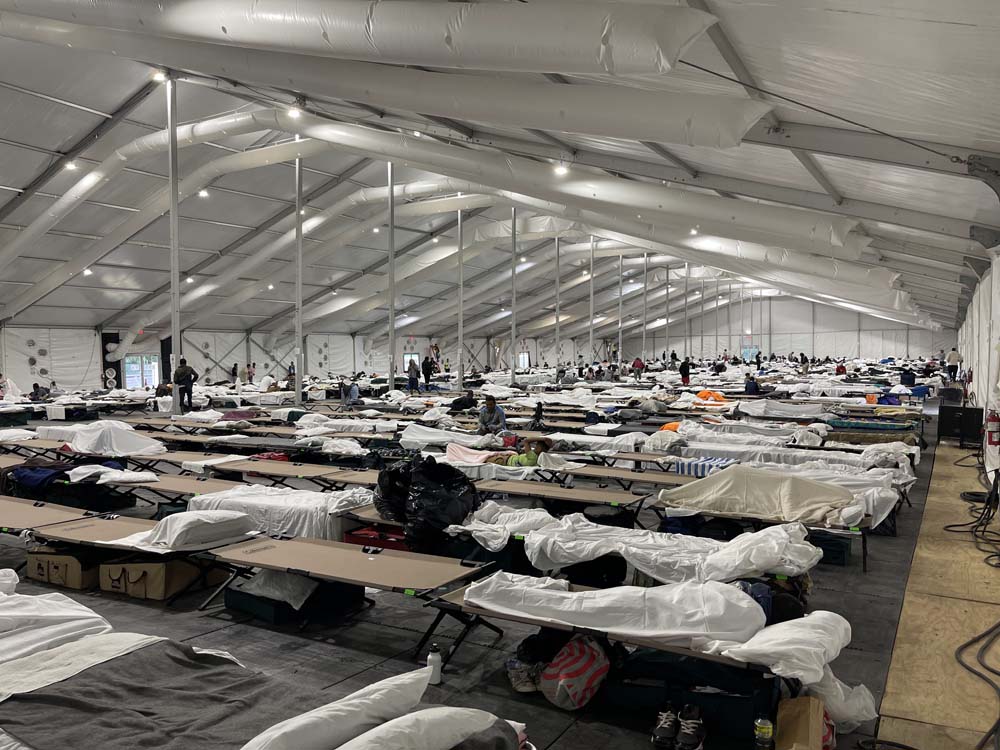
Structure options commonly used for emergency relief and recovery support.
Emergency relief projects often need multiple structure types working together: shelter space, supply staging, response operations, equipment protection, and larger regional support coverage.
Emergency Response Structures
Temporary covered space for response operations, shelter support, staging, and recovery work.
02Temporary Warehouses
Storage and staging space for supplies, pallets, relief materials, equipment, and distribution operations.
03Equipment Protection
Protect critical tools, response equipment, generators, vehicles, and field assets from weather exposure.
04Nationwide Projects
Support for larger regional or nationwide response projects that require coordinated structure planning.
What Maxi reviews before recommending an emergency relief structure plan.
The right structure plan depends on the mission, timeline, location, people served, supplies being staged, safety requirements, weather exposure, and site limitations.
What is the mission?
Shelter support, command operations, supply staging, intake, responder support, equipment protection, or recovery operations.
How fast is deployment?
Urgent deployment, staged rollout, phased response, seasonal readiness, long-term recovery, or standby support.
What does the site allow?
Surface type, access routes, anchoring restrictions, utilities, available footprint, nearby operations, and drainage.
What support is needed?
Lighting, heating, cooling, flooring, sidewalls, doors, power, separation, signage, ballast, and site logistics.
From emergency need to structure scope.
Tell us the mission, location, urgency, approximate structure size, duration, and what the structure needs to support.
We review access, surface type, utilities, anchoring, layout needs, response flow, and operational constraints.
Maxi helps define the structure solution, configuration, add-ons, install approach, and next steps.
Need temporary structures for emergency relief?
Send the response location, urgency, use case, approximate size, duration, surface type, and any available site photos, layout plans, or operational requirements. Maxi will help define the structure scope.